Trending

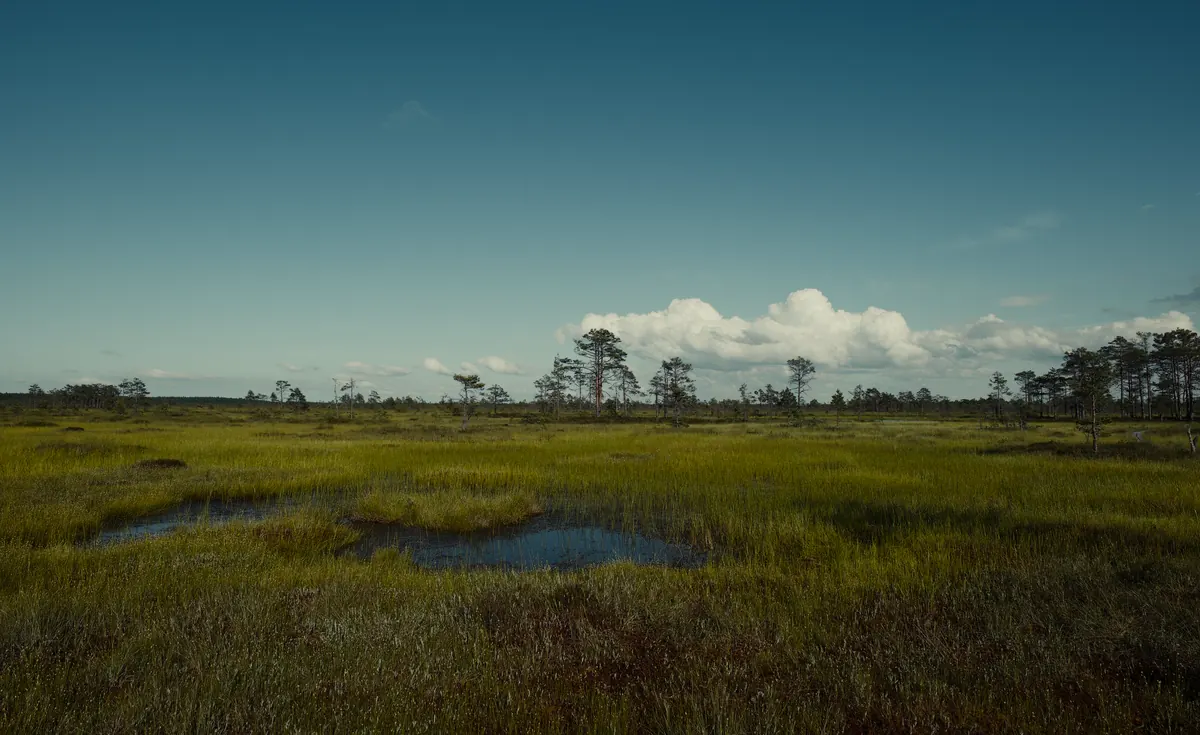
Some of Britain's most important wetlands carry a name that sounds like a travel destination: Ramsar. It is not a place. It is a 1971 international agreement, signed in the Iranian city of Ramsar, that asks countries to protect wetlands of global importance. For UK wetlands, that agreement has quietly shaped planning decisions, conservation funding and public debate for decades — and it deserves to be far better known.
The Ramsar Convention on Wetlands is an intergovernmental treaty. Its central idea is simple: wetlands are not wasteland. They store water, reduce flooding, hold carbon and support wildlife that has nowhere else to go. Member countries promise to do three things: designate important wetlands, use all their wetlands wisely, and cooperate internationally on shared species and catchments.
The UK ratified the convention in 1976, and designation is handled by the statutory conservation bodies — Natural England, NatureScot, Natural Resources Wales and the Northern Ireland Environment Agency. Sites are identified, assessed against agreed criteria, consulted on, then added to the list. The list is not a museum exhibit. It changes as sites are added, extended, or, on rare occasions, removed when the ecological character of a site has been damaged.
A site has to meet at least one of the convention's nine criteria. They cover things like whether the wetland is a good example of its type, whether it supports rare or vulnerable species, whether it matters for plants or fish, and whether it regularly holds significant numbers of waterbirds.
In practice, that means a site might qualify because it holds a near-natural fen, or because it supports tens of thousands of wintering ducks and waders. The flow country of Caithness and Sutherland qualifies for its blanket bog. The Ouse Washes in East Anglia qualifies for its wintering waterfowl and its role as a floodplain.
The process usually follows these steps:
Designation does not take land out of private ownership or automatically ban farming. It changes the planning and policy context around the site.
Ramsar Sites are mostly also Sites of Special Scientific Interest, and many are Special Protection Areas or Special Areas of Conservation. The Ramsar label sits alongside these rather than replacing them. In planning terms, it signals that a proposal could affect a wetland of international importance, so a developer may need to assess impacts on water levels, water quality, disturbance or hydrology before anything proceeds.
That matters most in places where pressure is high. On the Somerset Levels and Moors, where peat soils, wet meadows and winter flooding create one of the country's richest wetland landscapes, water management decisions affect farmers, wildlife and surrounding communities at the same time. On the north Norfolk coast, saltmarsh and freshwater grazing marsh sit next to popular beaches, so disturbance and coastal change are live issues.
Ramsar Sites are useful in ways that go beyond their own fences. They act as evidence that a wetland has special value, which strengthens arguments for funding restoration, better water quality and careful planning.
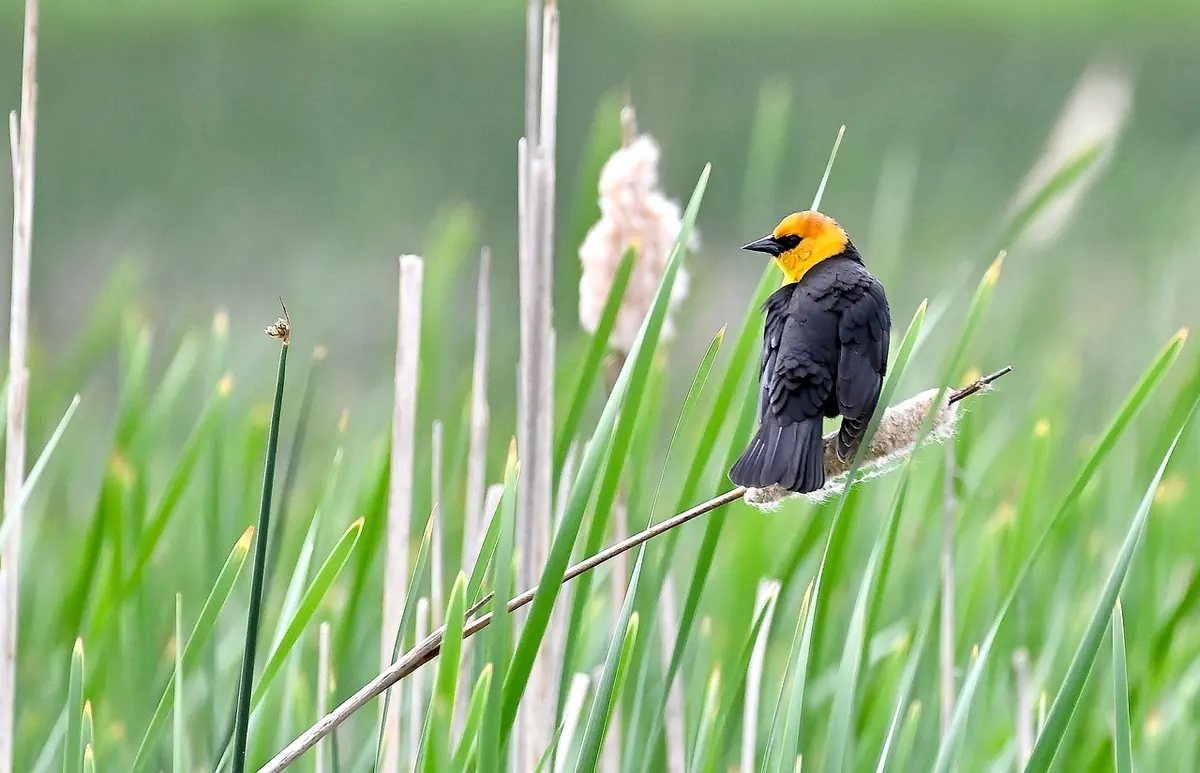
They also support species that cross borders. A wetland that shelters wintering wildfowl from Scandinavia or supports migrating waders on the East Atlantic Flyway is part of a chain of sites across several countries. Look after one link badly and the whole chain weakens.
Wetlands are among the most productive and most threatened habitats on the planet. Designation is a promise; management is what keeps the promise.
On top of that, these sites deliver practical benefits locally. Peatland and reedbed can lock up carbon. Floodplain wetlands can store water during heavy rain. Coastal marshes can soften the impact of storms. None of that is a substitute for wider flood defence, but it is part of the picture.
Start by finding out which Ramsar Sites are near you. The Joint Nature Conservation Committee publishes the UK list, and conservation bodies such as Natural England and NatureScot provide details on individual sites. Your county wildlife trust is often the quickest route to practical information.
From there, you can join a work party, help with a breeding bird survey, or record what you see on a wildlife recording app. Data from volunteers feeds into the monitoring that keeps a site's status honest. If you live near a wetland, pay attention to local planning consultations — comments from residents do carry weight, and they are read.
You do not need to be a scientist to make a difference. Visiting, reporting, volunteering and asking questions at the right moment all help. The wetlands that hold the Ramsar name are among the best we have. Keeping them that way is a long-term job, and it is one that benefits from more people paying attention.
Photo: Wunderphotos1951 / Pixabay