Trending

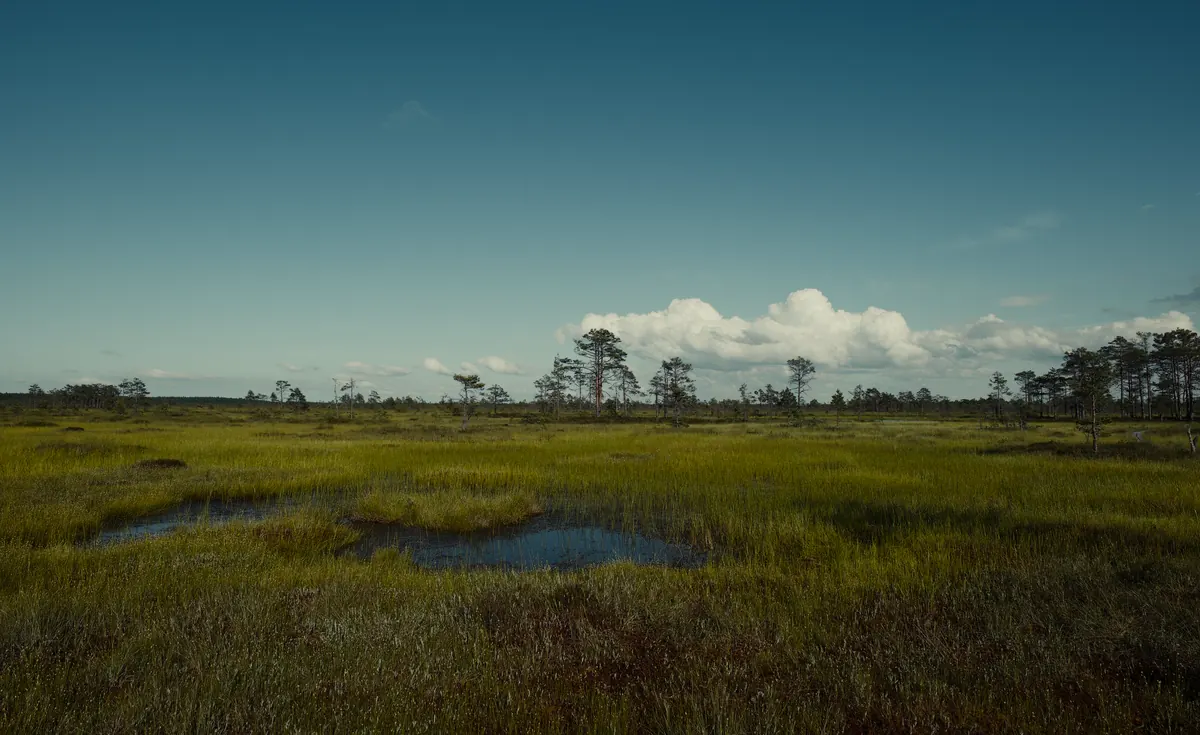
The Somerset Levels do not show off. You come down off the Polden ridge or the Mendips and the land flattens into fields, ditches, willow beds and a sky so wide it changes the way you stand. This is one of the largest surviving areas of lowland wet grassland and raised bog in Britain, and it is still wet enough to hold bittern, crane and otter within a few miles of dairy farms, cider orchards and busy villages.
The old name tells you how it works. The Sumorsaete were the people of the summer lands: they turned livestock out onto the wet pastures in the dry months and moved back to higher ground when the water returned. Everything since — the rhynes, the pumps, the sluices, the nature reserves — has been a negotiation with that same rhythm.
A little vocabulary makes the Levels legible. Rhyne (rhymes with "line") is the local word for a drainage ditch, usually straight, often bordered by willow and reed. Droves are the tracks between fields, raised slightly above the surrounding land. Moors are the wet grazing pastures; the Levels are the flatter, peaty ground nearer the coast.
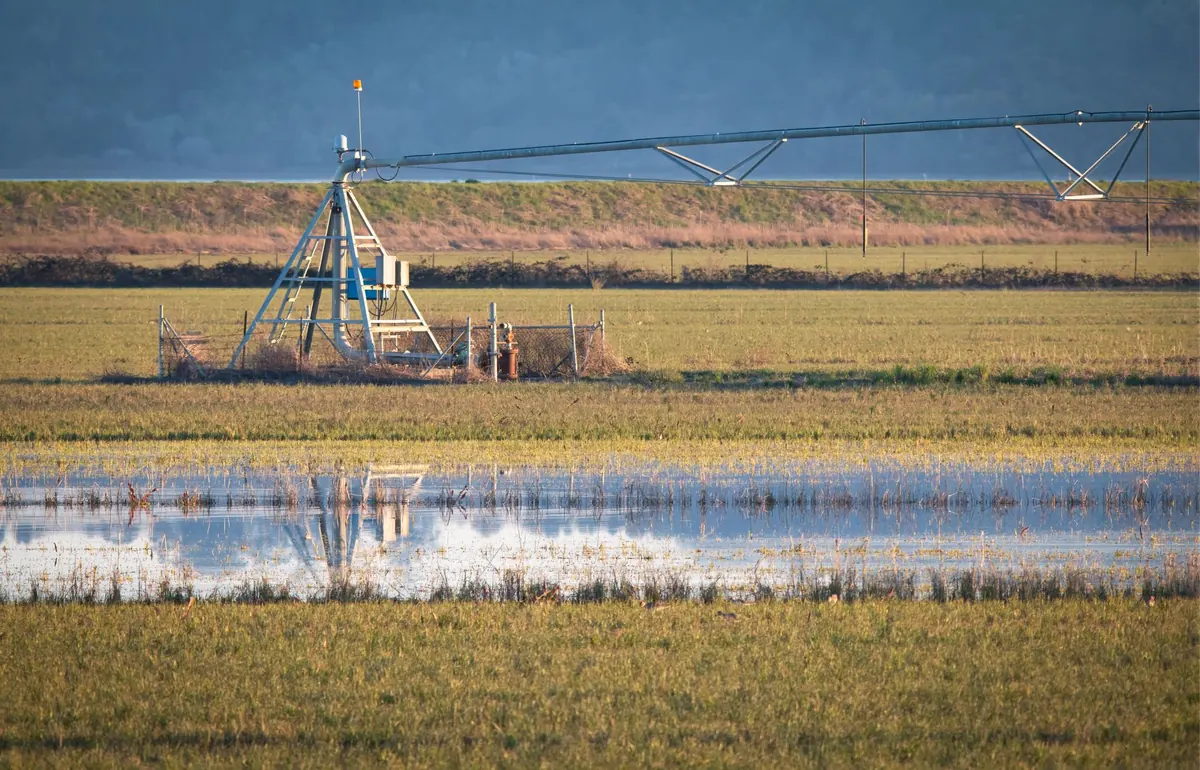
Under all of it lies peat, formed over thousands of years in waterlogged, oxygen-poor conditions. Peat is a finite resource: drain it and it shrinks, compacts and oxidises away. That is why the hydrology of the Levels is not a background detail but the whole story. Much of the land sits low, and the tidal Parrett can be higher than the fields beside it, so water has to be lifted off the moors by pumping stations rather than simply allowed to run away.
The best-known consequence is the Avalon Marshes, where centuries of peat digging left a patchwork of flooded pits that have become reedbed, open water and carr. It is a landscape made by industry and then handed, almost by accident, to wildlife.
Westhay Moor and parts of Shapwick Heath show what the Levels once looked like over much of their area. Look for sphagnum mosses in various shades of red and green, cotton grass nodding on its thin stalk, bog myrtle releasing its resinous scent when you brush past, and sundews — small, carnivorous, easily overlooked in the wetter hollows. These are fragile surfaces. Stay on the boardwalks and waymarked paths; a careless boot print in bog is a decade of damage.
Ham Wall and the Shapwick reedbeds are managed by cutting and rotation, partly to supply thatching reed. Common reed grows tall and dense, and the structure it creates suits a particular set of birds: reed warbler and sedge warbler in summer, bearded tit in the winter reed, bittern slipping between stems, and marsh harrier quartering overhead. Edge habitat matters as much as the reed itself, which is why the reserve managers keep open water and muddy margins in the mix.
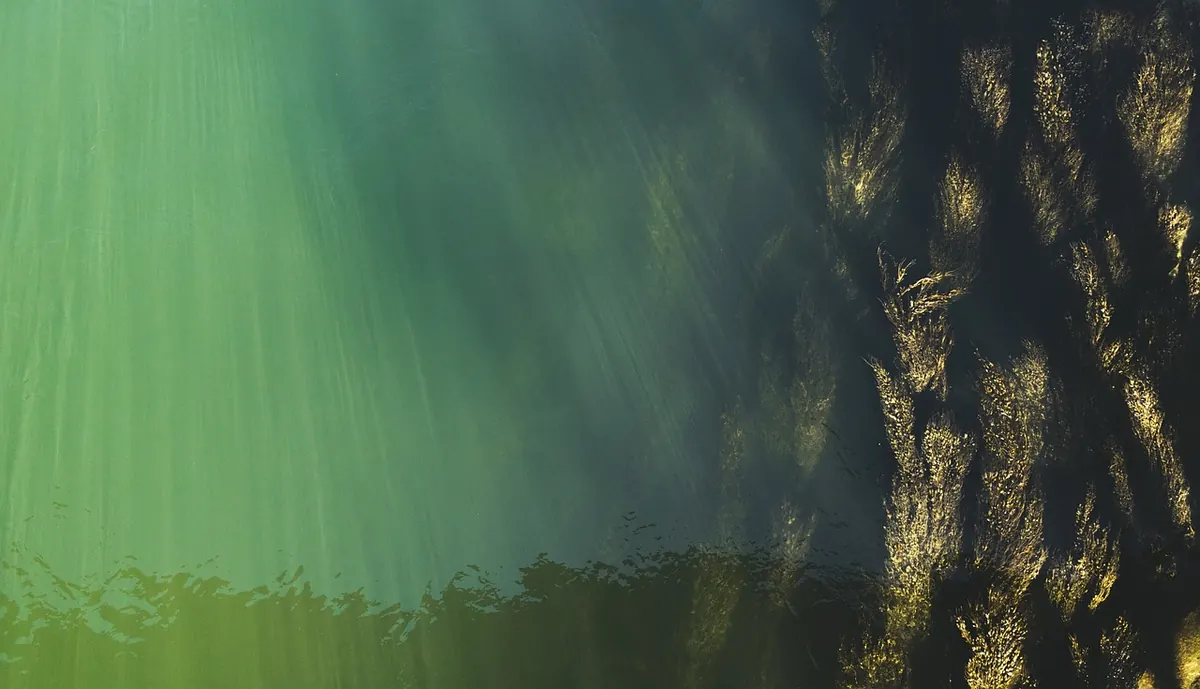
The traditional moors are the agricultural heart of the Levels. Purple moor-grass, meadowsweet, ragged robin and marsh marigold colour the fields through the season, and the rhynes carry a flora of their own — frogbit, water violet and other floating and submerged plants that need clean, slow-moving water. These ditches are linear nature reserves; a well-managed rhyne can hold more aquatic plant diversity than the field beside it.
Crack willow and osier grow fast in wet ground, and the withy industry around Burrowbridge still cuts them for baskets and hurdles. Standing dead willow is valuable too: it rots into nesting holes for tits and, later, bats. Around dusk, several bat species hunt insects over the open water and along the sheltered droves.
The Levels reward repeated visits more than a single long one. What you see is largely a matter of water level, season and patience.
If you have one day, base yourself around the Avalon Marshes, where several reserves sit close together and connect by paths and droves. A sensible shortlist:
Note that some reserves have limited parking, closures for breeding season and areas set aside for sensitive species. Check the reserve's own noticeboard or website before setting out.
Winter floods are part of the Levels' history, but the flooding of recent decades has been heavier and harder to shift, and the temptation is always to move water off the land faster. Sea level rise sharpens the problem: where embanked rivers run through low-lying moors, discharge is limited by what the tide allows, not by what the pumps can push.
Other pressures are quieter. Nutrient enrichment from agriculture and drainage changes the chemistry of the rhynes and encourages algae over specialist aquatic plants. Water abstraction and dry summers lower the water table, which is fatal for peat. Invasive mink have hammered water vole populations, and plants such as Himalayan balsam colonise bare banks and crowd out native vegetation. Scrub and willow creep in wherever grazing stops. And the legacy of peat extraction continues to shape the landscape long after the diggers have gone.
Conservation here is rarely about locking a place away. It is mostly about water: holding the right level, at the right time of year, in the right place, clean enough to support the plants at the bottom of the food chain. That is a slow, unglamorous, cooperative business involving farmers, drainage boards, the Environment Agency, wildlife trusts and local communities.
Wear boots you don't mind dirtying, even in a dry spell — peat holds water and paths can be soft. Bring a windproof layer, whatever the forecast: there is very little to break the wind across the Levels, and hides and viewpoints are cold even in May. Binoculars are essential; a scope helps on the open moors.
Go early. Dawn is when bitterns boom, when otters are still active and when the light is at its best across the water. Walk quietly, stop often, and listen — much of the wildlife here is heard before it is seen. Keep dogs on leads near livestock and ground-nesting birds, stay on marked paths on the peat and around reedbed edges, and take everything home with you. If you see something interesting, and particularly if you see something unusual, send the record to the county records centre; those sightings genuinely inform how these places are managed.
Finally, give it time. The Levels are not dramatic in the way a mountain is dramatic. They work on you slowly, through the sound of a hundred frogs, the arrow-flight of a harrier, and a horizon that keeps going. One visit is rarely enough.
Photo: Schäferle / Pixabay