Trending

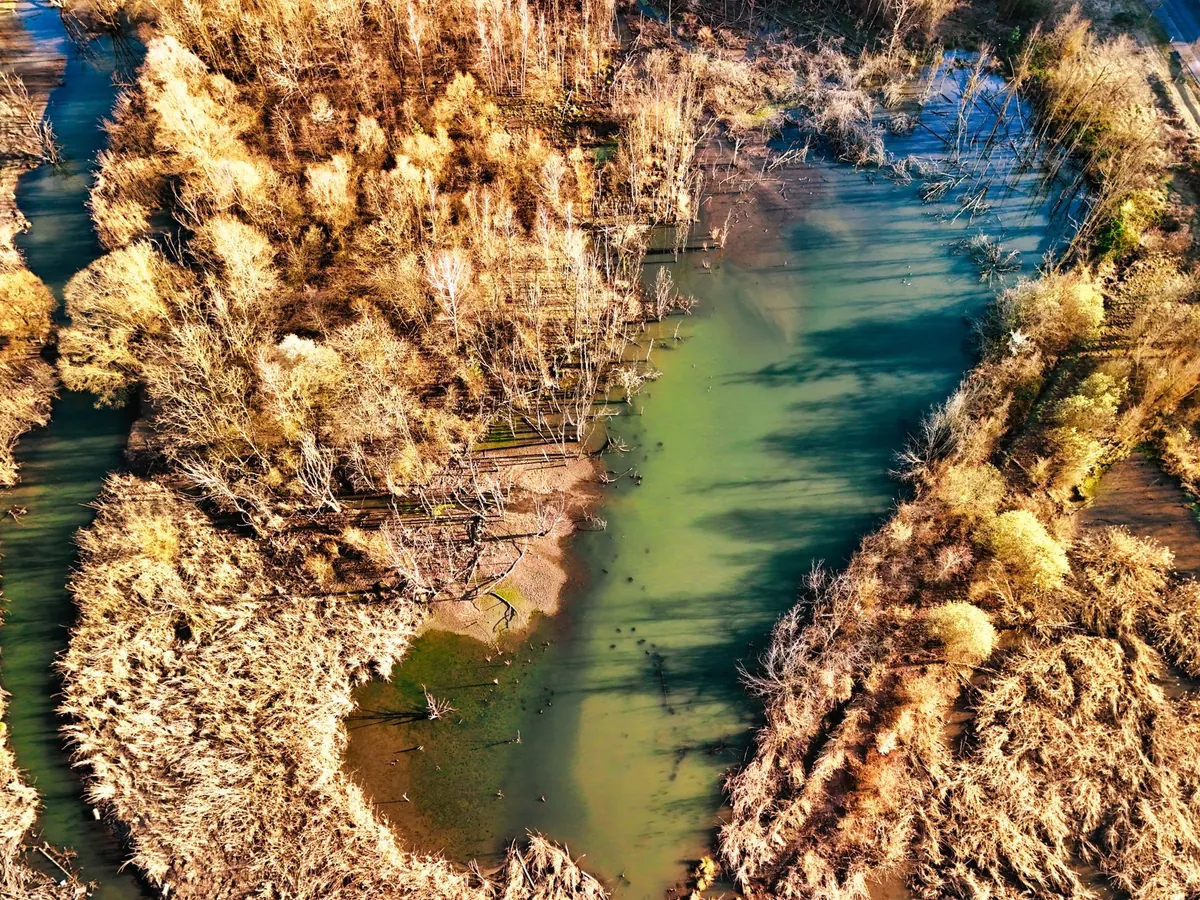
A restored wetland can look magnificent in its first summer and be a quiet disappointment by its third. The reedbed has thinned, the open water has vanished under duckweed, and someone is asking why the money went on a muddy field with a few ducks on it. Almost always, the cause is not bad luck. It is one of a handful of predictable mistakes made early, while the plan was still on paper and the site still looked like a blank canvas.
The encouraging part is that these mistakes are cheap to avoid and expensive to repair. Here are the five that cause the most trouble, and what to do instead.
Water is the whole point of a wetland, and it is the hardest thing to retrofit. A familiar pattern: a site is chosen because it is low-lying and available, habitats are drawn on a map, and only afterwards does anyone ask where the water will come from in August.
Before anything is dug, you need a fair picture of the water balance. That means answering a few blunt questions:
Dipwells are inexpensive and unglamorous, which is probably why they get skipped. Install a few, record levels monthly, and if you possibly can, watch the site through a full twelve months before committing to earthworks. Design for the dry year, not the average one. A basin fed only by winter rain may be bone dry in June, which is exactly when breeding birds and amphibians need it most.
Talk to the neighbours upstream, too. Ditch maintenance, a new drainage scheme or a changed sluice regime two fields away can undo your design. Any work on a watercourse or within a floodplain usually needs consent, so check with the relevant regulator or drainage authority before you move a bucket of soil.
There are two opposite errors here, and both are common.
The first is assuming that decades of arable use leave a seed bank waiting to spring back to life. Usually they do not. What they leave is a high nutrient load and a store of arable weeds. Fertile soil grows nettles, willowherb, rush and rank grass — not the open, low-nutrient plant communities most wetland projects are aiming for. If phosphorus levels are high, expect years of cutting and removing vegetation, or budget for topsoil stripping and disposal.
The second error is destroying a good seed bank through careless handling. Species-rich fen and wet meadow soils hold most of their seed close to the surface. Turfs stripped and stacked in a heap for a season, drying out in the sun, rarely come back as intended.
So test before you plan: pH, phosphorus, organic matter, and the depth to the water table in spring. If the soil is worth keeping, move turfs quickly, keep them damp and shaded, and put them back within days rather than months. Restore the water regime first and let the soil respond — the reverse order does not work.
They cannot. Himalayan balsam, floating pennywort, New Zealand pygmyweed and Japanese knotweed all spread readily from fragments. Earthmoving machinery, boots, boat hulls and even a dog's coat will carry them from one site to the next. Once floating pennywort is established across open water, control becomes a long, repetitive and costly business.
Treat invasives as a design constraint from day one:
Establishing native vegetation quickly is the cheapest invasive-species control there is.
Photographs of other people's wetlands are a poor guide to your own. Species have to match the water regime they will actually experience. Reed sweet-grass in a drawdown zone, or purple loosestrife in deep water, is money wasted — and a source of endless debate about why the planting "failed".
Zone the site honestly. Deep water, shallow water, the fluctuating drawdown band, permanently wet ground, and the drier margin each support a different group of plants. Match the palette to those zones, and choose local provenance stock where you can. Then resist the urge to fill every square metre. Leave space for natural colonisation; seed and spores arrive faster than most people expect, particularly where the site sits in a well-connected landscape.
Watch the engineering, as well. Straight-edged channels, vertical banks and hard revetments look tidy for a year and then limit every habitat you were trying to create. Gentle slopes and irregular edges cost little more and work far better.
A wetland is a process, not an installation. The project that ends with a completed planting plan and no plan for year five is the one most likely to slide back.
Keep monitoring simple enough that it actually happens. Dipwell readings, fixed-point photographs from the same spots each season, a handful of vegetation quadrats, and a note of breeding birds or amphibians will tell you more than an elaborate survey done once and abandoned. Then act on what you find: adjust water levels, change the cutting date, add or remove grazing.
Agree the long-term management before planting, not after. Who will cut the fen, when will the grazier's cattle arrive, who clears the outfall, and who has the keys to the sluice? Write down what you did, where and when. Five years later, that notebook is worth more than any report.
Wetland restoration rarely finishes on schedule, and the best schemes stay adaptable. Aim for a site that can hold its own water, manage its own nutrients and recruit its own plants. If you get those three working, the wildlife mostly sorts itself out.
Photo: Volker Braun / Pexels